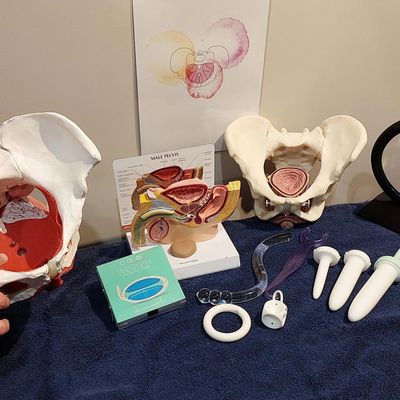
Pelvic Health Physiotherapy Services
Pelvic health physiotherapy practitioners offer vital support and treatment for various conditions, including urinary incontinence, pelvic organ prolapse, pre & post natal physiotherapy, pelvic pain and dyspareunia (painful sex), bowel dysfunction, and men's pelvic health. This specialized physiotherapy is essential for enhancing women's health and addressing unique pelvic health concerns.
Urinary Incontinence
Urinary incontinence is the involuntary leakage of urine and is a common issue that can affect people of all ages and stages of life. While it is often considered a normal part of aging or life changes such as pregnancy and childbirth, it is not something you have to accept — effective treatment through pelvic health physiotherapy is available.
There are different types of urinary incontinence, including:
- Stress incontinence – leakage during physical activity, coughing, sneezing, or lifting.
- Urge incontinence – a sudden, strong need to urinate that may result in leakage.
- Mixed incontinence – a combination of stress and urge incontinence.
- Overflow incontinence – leakage due to an inability to fully empty the bladder.
Physiotherapy plays a key role in the management of urinary incontinence, particularly in women's health. A pelvic health physiotherapist can:
- Assess your pelvic floor function – this includes muscle strength, coordination, and endurance.
- Provide tailored exercises – programs designed to improve pelvic floor muscle function.
- Offer bladder training strategies – techniques to help manage urgency and frequency.
- Give lifestyle and behavioral guidance – advice on fluid intake, diet, and strategies to reduce strain on the pelvic floor.
- Support post-surgical recovery – assistance after procedures such as prostate or gynecological surgery.
With personalized physiotherapy, many people experience significant improvements in bladder control, confidence, and overall quality of life. Early assessment and intervention are recommended, as addressing symptoms sooner can improve outcomes and prevent worsening of incontinence over time.
Pelvic Organ Prolapse
Pelvic organ prolapse occurs when the muscles and connective tissues that support the pelvic organs (bladder, uterus, or rectum) weaken, leading to the descent of one or more organs into the vaginal walls. This condition can arise from various factors, including childbirth, aging, hormonal changes, chronic coughing, heavy lifting, or any activities that place strain on the pelvic floor, which is crucial for overall pelvic health.
Common symptoms of pelvic organ prolapse include:
- A feeling of heaviness, pressure, or fullness in the pelvis.
- A noticeable bulge in the vagina.
- Urinary symptoms such as incontinence or difficulty emptying the bladder.
- Bowel changes, including difficulty with bowel movements or incontinence.
- Discomfort or pain during physical activity or sexual intercourse.
Physiotherapy is often the first-line treatment for managing prolapse symptoms and can significantly enhance women's health by:
- Providing tailored pelvic floor exercises to improve muscle support and function, helping manage the symptoms of prolapse.
- Teaching supportive strategies, including proper posture, lifting techniques, and activity modifications.
- Guiding lifestyle changes that reduce strain on the pelvic floor and promote overall pelvic health.
- Fitting a vaginal support pessary, which is a silicone device inserted into the vagina to help hold the organs in place.
Early intervention through physiotherapy can alleviate symptoms, prevent further progression of prolapse, and, in some cases, eliminate the need for surgical intervention. Additionally, physiotherapy plays a vital role in supporting recovery after surgical treatment when necessary.
Pre and Post-Natal Physiotherapy
Pregnancy and childbirth place unique demands on the body, particularly affecting pelvic health, core muscles, joints, and posture. Pre- and post-natal physiotherapy aims to support women through this journey, promoting comfort, strength, and long-term health in women's health.
During pregnancy, physiotherapy can help with:
- Strengthening and maintaining pelvic floor and core muscles.
- Reducing back, hip, and pelvic discomfort.
- Teaching correct posture and movement strategies for daily activities.
- Providing advice on exercise, lifting, and safe physical activity.
- Assessing and preparing your pelvic floor for birth.
After childbirth, physiotherapy focuses on:
- Recovery of pelvic floor and core muscle function.
- Scar management and gentle return to exercise.
- Guidance for safe return to sport or higher-level activity.
- Supporting breastfeeding posture and ergonomics, and treatment of blocked milk ducts.
Individualized assessment and tailored programs ensure women maintain pelvic health, prevent dysfunction, and regain confidence in movement and daily activities.
Pelvic Pain and Dyspareunia
Pelvic pain and discomfort during sexual intercourse, known as dyspareunia, are significant concerns within women's health that can greatly impact quality of life, relationships, and mental wellbeing. The causes of these issues are varied and may include muscle tension, nerve irritation, scar tissue, hormonal fluctuations, as well as postural and movement problems. Conditions such as endometriosis, adenomyosis, vulvodynia, vaginismus, and bladder pain syndrome/interstitial cystitis can also contribute to these symptoms.
Pelvic health physiotherapy offers a comprehensive approach to managing these conditions effectively:
- Assessment of the pelvic floor and surrounding muscles to identify areas of tension, weakness, or imbalance.
- Manual therapy and release techniques aimed at addressing muscle tightness, trigger points, and restrictions in connective tissue.
- Tailored exercise programs that focus on stretching, strengthening, and coordinating pelvic health.
- Education and self-management strategies that encompass relaxation techniques, posture improvement, and activity modifications.
With a personalised physiotherapy plan, individuals can reduce pain, enhance pelvic function, and regain comfort and confidence in their daily lives and intimate relationships.
Bowel Dysfunction
Bowel dysfunction can take many forms, including constipation, incontinence, urgency, or difficulty fully emptying the bowel. These conditions can be distressing and impact daily life, but targeted pelvic health physiotherapy can make a significant difference.
A pelvic health physiotherapist can assist individuals by:
- Assessing pelvic floor and abdominal function – identifying dysfunction that may contribute to symptoms.
- Teaching bowel retraining strategies – to improve timing and control, including correct toilet posture and techniques to achieve complete emptying.
- Providing exercises for pelvic floor and core muscles – supporting coordination and strength for optimal bowel function.
- Offering lifestyle advice – including fluid intake, diet, and postural strategies.
With appropriate intervention through women's health physiotherapy, many individuals regain confidence and independence in managing bowel function, ultimately improving comfort and quality of life.
Men's Pelvic Health Physiotherapy
Men’s pelvic health physiotherapy addresses a range of concerns, including urinary incontinence, bowel issues, pelvic pain, sexual dysfunction, and recovery after prostate or pelvic surgery, all integral to overall pelvic health.
Services include:
- Assessment of pelvic floor and core function – identifying weakness, tension, or coordination issues.
- Tailored exercise programs – strengthening and retraining muscles to improve control and function.
- Bladder and bowel management strategies – to address incontinence, urgency, or difficulty emptying.
- Pain management and post-surgical rehabilitation – supporting recovery and long-term function.
- Education and lifestyle advice – including posture, lifting, and activity modification.
Early assessment and physiotherapy intervention can improve symptoms, support recovery, and enhance overall pelvic health and wellbeing for men, similar to the benefits seen in women's health.